Quick answer
A Franchise Disclosure Document (FDD) is the disclosure the Federal Trade Commission’s Franchise Rule requires franchisors to give you at least 14 days before you sign or pay. Items 5 to 7 cover costs and fees, Item 11 covers training and support, and Items 19 and 20 cover financial performance and franchisee contacts. It isn’t the contract, but it’s where you test the pitch.
Your first franchise disclosure document can look like a pile of legal paperwork standing between your savings and your next career. It’s more useful than that. Read in the right order, it shows what the franchisor charges, what it will put in writing and who you can call.
What a Franchise Disclosure Document Covers
The FTC Franchise Rule requires franchisors to give prospective franchisees a franchise disclosure document before any sale. It has 23 Items, running from the franchisor’s background in Item 1 to the receipt you sign in Item 23. Franchisors must also update it within 120 days after each fiscal year ends.
The FDD isn’t the contract. The franchise agreement is, and Item 22 attaches it, so read the two together.
Our guide to what a franchise agreement contains covers the clauses. Several states also add registration or disclosure laws, so ask a franchise attorney or your state regulators what applies to your purchase.
| Rule | What the Franchise Rule requires | What it means for you |
|---|---|---|
| Delivery | You receive the FDD at least 14 calendar days before you sign a binding agreement or pay anything | Log the arrival date and wait for day 14 before signing or paying |
| Changes | A unilateral, material change to the agreement reaches you at least seven calendar days before signing | Ask for a comparison. The wait doesn’t apply to requested changes you started |
| Updates | The franchisor updates the FDD within 120 days after each fiscal year ends | Check the issuance date and ask about newer versions |
Source: 16 CFR 436.2 and 16 CFR 436.7
Initial Fees, Ongoing Fees and Total Investment
Three Items show what ownership costs. Item 5 is the initial fees item, and it lists the initial franchise fee, any other upfront fees and the conditions for refunds. Item 6 covers ongoing fees such as royalties and advertising contributions, and Item 7 estimates your total initial investment.
Where the answers live in the FDD
Item 5
What do I pay up front?
Initial franchise fee and refund conditions
Item 6
What do I keep paying?
Royalties, advertising and other ongoing fees
Item 7
What is the total investment?
The franchisor estimate of startup costs
Item 19
How do units perform?
Financial performance representations, if published
Item 20
Who can I call?
Current and former franchisees, plus turnover
Source: FTC Consumer Guide to Buying a Franchise and 16 CFR 436.5
Look hardest at the working capital line in Item 7, where the rule calls for an initial period of at least three months or a reasonable period for the industry. Your own budget should cover the business and your household for as long as your business model needs. Our guide to franchise funding options covers where that money can come from.
It’s really important to understand what the working capital needs are gonna be because you do not wanna be capital constrained.
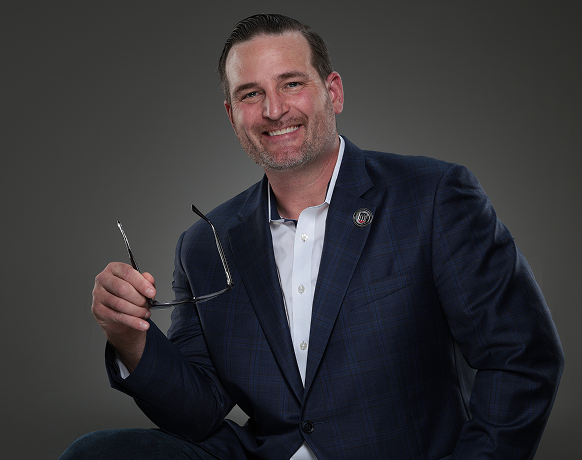
Scott Thompson
Lead Franchise Consultant, Your Future Franchise
LinkedIn profile
Pro tip
Build your own opening budget, then compare it with Item 7. If your numbers run higher, believe them and ask current franchisees what they actually spent and what surprised them.
Reading Financial Performance and System Health
Item 19 holds any financial performance representations, and the franchisor chooses whether to include them. If it does, it needs a reasonable basis and written substantiation, which you can request. Read the numbers for what they count, such as which units, how many, how mature and whether they show gross sales or profit.
Watch out
Claims about sales, income or profits belong in Item 19, according to the FTC. If a salesperson quotes earnings you can’t find there, ask for them in writing and show your franchise attorney.
Then read Item 19 beside Item 6. Strong sales can still leave thin owner economics once fees come out.
Item 20 tracks the franchise system through outlet counts for the last three fiscal years, including closures, transfers and company-owned outlets versus franchisee-owned units. It also lists current and former franchisees, so plan to call both groups. Item 21 holds the franchisor’s financial statements and shows whether the company behind the brand can fund ongoing support.
How to Run an FDD Review
Work through the document in layers, so each step feeds your diligence process.
A five step FDD review
-
Step 1
Check the dates
Log the day you received it. The 14-day clock starts there.
-
Step 2
Read the cost Items
Items 5, 6 and 7 set your cash needs and fee load.
-
Step 3
Test the results
Item 19 shows financial performance, and Item 20 shows who left.
-
Step 4
Call franchisees
Ask what Item 7 missed and whether they’d buy again.
-
Step 5
Bring in your attorney
A franchise attorney reads the franchise agreement, Item 12 and Item 17.
Three other Items rarely get enough time. Item 8 covers supplier restrictions, Item 12 covers your territory, and Item 17 covers renewal, termination, transfer and dispute resolution. Together they decide how much room you’ll have to run the business and how hard it is to leave.
Hand the entire document to a franchise attorney for legal review, and bring an accountant for Item 21. The Federal Trade Commission advises talking to an accountant and a lawyer, preferably one experienced in franchise matters.
We think experienced franchisors welcome hard questions and answer them in writing. Every franchise disclosure document is one checkpoint in the franchising journey, and our guide to evaluating a franchise system covers the rest.
Why Review FDDs With Your Future Franchise
Reading an FDD alone is slow, and it’s easy to miss what a section means for your franchising journey. Scott Thompson’s 25+ years as a franchisee and franchisor shape how Your Future Franchise walks candidates through each Item, and he teaches at the University of Georgia.
We use the FranChoice network for prescreened franchisor introductions and focus on fit, not on pushing deals. Prescreening can’t guarantee a successful outcome, and no franchise can.
Attorneys, accountants and lenders in our network bill for their own services. Candidates never pay a consulting fee. Franchisors compensate Your Future Franchise when an introduced candidate purchases a franchise.
Franchise Disclosure Document FAQs
Is Item 19 required?
No. The Franchise Rule doesn’t require a franchisor to share sales or earnings figures. When it does, those financial performance representations belong in Item 19. When Item 19 is silent, your franchisee calls and your own financial model carry more weight.
What does a franchise attorney review?
A franchise attorney reads the FDD and the franchise agreement together, checking your obligations, territory rights, renewal and termination terms and dispute resolution. An accountant reads Item 21 and tests Items 6, 7 and 19 against your budget.
Does an FDD guarantee I’ll make money?
No. The FDD is a disclosure document, not a promise. Even Item 19 reflects the system’s results, not yours, and your results depend on your market, your execution and your franchise opportunity. No franchise guarantees success.
What red flags should I look for?
Watch for Item 19 data that leans on hand-picked units or company-owned outlets. Also watch for heavy closures or transfers in Item 20, recurring losses in Item 21 and a pitch that differs from the document. When the pitch and the paper disagree, trust the paper.
Who can help me review an FDD?
Start with a franchise lawyer for legal review and an accountant for the financials. A franchise consultant can then compare the franchise system against your goals and budget, and Your Future Franchise can walk through the FDD with you. Their advice should stay independent of the franchisor selling the franchise.
About the author
Expertise from Scott Thompson, Lead Franchise Consultant at Your Future Franchise. Scott has spent 25+ years as a franchisee and a franchisor, teaches at the University of Georgia and works through the FranChoice network. About page and LinkedIn profile
Get a Second Set of Eyes on Your FDD
Talk through fit, budget and timing in a no obligation conversation. We don’t sell franchises, we only help you choose the right one.