Quick answer
Evaluate the franchise category first, then the brand. A useful franchise evaluation checklist starts with demand, growth outlook, capital needs, daily role, local competition and disruption risk for the whole category. Only after a category passes those tests should you request each brand’s franchise disclosure document, call franchisees and compare the brands inside it.
Most franchise buyers start with a brand they’ve heard of and work backward. That order lets marketing set the agenda for your due diligence. The checklist below flips it, so a category has to earn your attention before any franchisor’s sales team does.
Why the Category Comes Before the Brand
The category decides most of what franchise ownership will look like day to day. Restaurant and home services franchises differ in hours, staffing, capital and customer base long before any one brand’s playbook comes into it. Pick the wrong category, and even a well-run franchise system can feel like the wrong life.
The FTC makes the same point. Its guide to researching franchise opportunities tells franchise buyers to decide which categories of franchises best suit their budget, experience and goals before they compare brands at an expo.
As you go up the different categories, you know, the investment level gets higher and the liquid requirements get higher and the net worth gets higher.
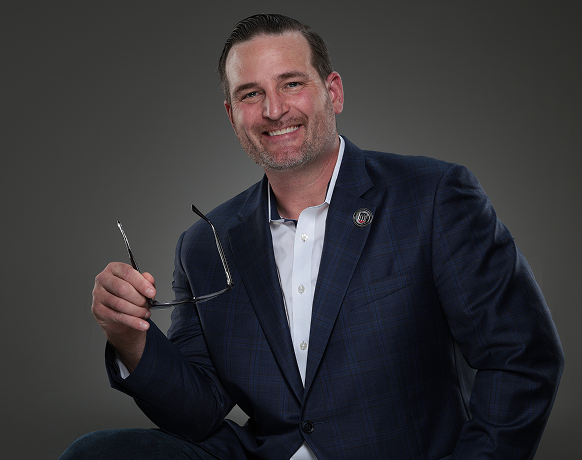
Scott Thompson
Lead Franchise Consultant, Your Future Franchise
LinkedIn profile
That’s why capital is the first filter. Requirements vary by franchisor, so check the liquid capital and net worth each brand asks for and the total investment range in Item 7 of its FDD, including working capital. In our consulting practice, candidates with $100,000 to $200,000 in available liquid capital generally see a broader range of opportunities to evaluate.
The Franchise Evaluation Checklist for Categories
Run every category you’re considering through the same six tests. Write the answers down, and drop a category the moment it fails a test that matters to you.
| Test | Question to answer | Where to find the evidence |
|---|---|---|
| Demand | Is demand from a reliable customer base evergreen, seasonal or a fad? | Local market research and franchise owners already in the category |
| Growth outlook | Is the category expanding nationally? | Industry forecasts such as the IFA Franchising Economic Outlook |
| Capital needs | What does entry cost, including working capital? | Item 7 tables from several brands in the category |
| Daily role | Will you do the work, lead a team or oversee a manager? | Validation calls with current franchisees |
| Local competition | How many franchised and company-owned outlets already serve your area? | Item 20 outlet tables and a drive past each competing location in your territory |
| Disruption risk | Could technology or a downturn erase demand? | Existing franchisees who have run the business through a slow year |
Source: demand and competition questions from the FTC Consumer Guide to Buying a Franchise. Item references from 16 CFR 436.5.
None of these tests needs a brand name yet. They tell you whether a category deserves your time before any single franchise opportunity does, so the due diligence that follows stays focused on fit rather than pitch.
Pro tip
Ask for FDDs from two or three brands in the same category and line up their Item 7 tables. The spread shows what the category tends to cost, and an outlier in either direction is worth a direct question.
What the 2026 Outlook Says About Categories
National forecasts won’t pick a category for you, but they show where franchising expects momentum. The International Franchise Association’s 2026 Franchising Economic Outlook names child services and commercial and residential services as the fastest growing franchise industries, at 3.2 percent.
Source: FRANdata summary of the IFA Franchising Economic Outlook, Feb. 2026. Forecast, not actuals.
-
Child services
3.2%
-
Commercial and residential
3.2%
-
Retail food, products, services
2.3%
-
Health and wellness
2.1%
-
Full-service restaurants
2.0%
-
Business services
1.6%
Service categories lead the 2026 forecast, and full-service restaurants are expected to outpace quick service restaurants in output growth for the first time since the pandemic.
Quick service restaurants, automotive and real estate sit at the bottom of the same forecast, below 0.5 percent. Treat any forecast as a starting point, since national growth says nothing about your territory. A growing category can still hold weak brands.
Your Brand Due Diligence Checklist
Once one or two categories survive, your franchise due diligence moves to individual brands. Every franchisor must give you its franchise disclosure document at least 14 calendar days before you sign the franchise agreement or pay anything. Its 23 Items are where your due diligence checklist starts.
Where the answers live in the FDD
Item 5
What do I pay up front?
Initial franchise fee and refund conditions
Item 6
What do I keep paying?
Royalties, advertising and other ongoing fees
Item 7
What is the total investment?
The franchisor estimate of startup costs
Item 19
How do units perform?
Financial performance representations, if published
Item 20
Who can I call?
Current and former franchisees, plus turnover
Source: FTC Consumer Guide to Buying a Franchise and 16 CFR 436.5
Beyond the initial franchise fee and ongoing fees, Items 3 and 4 disclose litigation and bankruptcy history, and Item 12 covers territory. Item 17 covers renewal, termination, transfer and dispute resolution, where the transfer restrictions and exit terms in the franchise agreement sit. A pattern of lawsuits from franchisees is one of the clearest red flags.
Then speak with current and former franchisees from the Item 20 list. The FTC notes that closures and transfers in your area could point to weak franchisor support or unprofitable outlets, and owners who’ve left can tell you why. Our guides to evaluating a franchise system and franchise validation calls cover this stage in depth.
Watch out
Earnings figures belong in Item 19 under the FTC Franchise Rule. If anyone quotes revenue or profit you can’t find there, ask for it in writing and take it to your franchise attorney before signing the franchise agreement.
Why We Match Categories Before Brands
Our seven-step process puts business model alignment ahead of brand presentations, so candidates settle the category question before brand due diligence begins. Scott Thompson brings 25+ years as a franchisee and franchisor to that conversation, and he teaches at the University of Georgia.
We use the FranChoice network for prescreened franchisor introductions and focus on helping candidates find the right franchise, without promising a successful outcome. Attorneys, accountants and lenders in our network bill for their own services.
Candidates never pay a consulting fee. Franchisors compensate Your Future Franchise when an introduced candidate purchases a franchise.
Franchise Evaluation Checklist FAQs
What should a franchise evaluation checklist include?
Two stages. The category stage tests demand, growth outlook, capital needs, daily role, local competition and disruption risk. The brand stage covers the franchise disclosure document, the franchise agreement, validation calls with current and former franchisees, and review by a franchise attorney and accountant.
How many franchise categories should I compare?
Only as many as you can research properly. Drop a category as soon as it fails your capital, lifestyle or demand test, so your time goes to the brands that remain.
Is the fastest-growing category the safest choice?
Not necessarily. Forecasts describe national trends, not your territory, and the FTC asks buyers to consider whether demand is seasonal, evergreen or a fad. A growing category can still contain weak brands, so brand-level due diligence still applies.
Where can I find data on a franchise category?
Start with industry forecasts such as the IFA outlook, then compare the Item 7 and Item 20 tables from several brands in the category. Calls with current and former franchisees and a look at local competition fill in what national data can’t.
Can a franchise consultant help me choose a category?
Yes. At Your Future Franchise, the category conversation happens during business model alignment, before any brand is presented. The final decision stays with you, alongside your franchise attorney and financial advisor.
About the author
Expertise from Scott Thompson, Lead Franchise Consultant at Your Future Franchise. Scott has spent 25+ years as a franchisee and franchisor, teaches at the University of Georgia and works through the FranChoice network. About page and LinkedIn profile
Narrow the Category Before You Meet the Brands
Book a no obligation conversation about fit, budget and timing. We don’t sell franchises, we only help you choose the right one.