

Quick Answer
A restaurant franchise rewards owners who enjoy fast pace, food, and hands on team leadership, while a home services franchise fits owners who want a lower entry cost, recurring demand from homeowners, and a lighter physical footprint.
This page compares both business models on cost, demand, staffing, and lifestyle fit, then shows how our consultants at Your Future Franchise match you to the right one.
Choosing a restaurant franchise or a home services franchise ranks among the biggest business ownership decisions you will make in this chapter of your career. You have earned the right to weigh it carefully, and you deserve straight talk instead of a sales pitch.
What You Should Know Before You Start
A few questions come up on almost every intro call. Read these first so the rest of the comparison lands with context.
How much capital do I need to qualify?
- Most candidates we work with hold $50,000 or more in liquid capital, and the sweet spot runs from $100,000 to $200,000.
- A net worth near $500,000 opens the widest set of franchise opportunities.
- Home services brands often carry lower entry costs than food concepts, which changes what you qualify for.
Which model demands more of my day?
- Restaurant ownership leans hands on, with staffing, food safety, and long service hours.
- Many home service brands run on scheduled routes and a smaller crew.
- Both can run semi-passive once you hire and train the right general manager.
What are the main types of franchises I should compare?
- Food and restaurant concepts, from fast casual to full service.
- Home services and residential maintenance services, such as cleaning, repair, and outdoor care.
- Business-to-business service brands that sell to commercial customers rather than homeowners.
Do I pay Your Future Franchise for guidance?
- No. Franchisors pay us, so candidates owe nothing for the consulting process.
- You keep full control of every decision from first call to signed agreement.
- We prescreen brands and candidates so both sides avoid a costly mismatch.
Table of Contents
- Restaurant Franchise vs Home Services Franchise: Two Different Business Models
- The Fear and the Opportunity of Franchise Ownership
- Restaurant Franchise Opportunities: Benefits and Limitations
- Home Service Franchise Opportunities: Benefits and Limitations
- Startup Costs, Financial Qualification, and Investment Range
- How We Match You to the Right Fit
- FDD Education and Due Diligence
- Why Your Future Franchise
Restaurant Franchise vs Home Services Franchise: Two Different Business Models
Both paths hand you a proven business model, brand recognition, and a system you did not have to build.
The daily reality of each one looks nothing alike.
A restaurant franchise sells an experience to walk-in guests and delivery customers. A home services franchise sends trained teams to residential and commercial customers who already need the work done.
Both industries reward hands-on entrepreneurs, yet the home services industry and the restaurant industry ask for very different daily rhythms. Owning either one still means investing real energy into people, systems, and your local market.
- Restaurant concepts trade on foot traffic, menu appeal, and speed at the counter or table.
- Home service brands send trained crews on trust, scheduling, and repeat visits to the same property owners.
- Both give you comprehensive training, ongoing support, and marketing muscle from the parent company.
Franchises provide access to comprehensive marketing support from the parent company, and franchisees join a network of other franchise owners who share what works. That marketing reach, from national campaigns to local marketing, gives new owners a head start that most independent entrepreneurs never get.
Franchises inherit a proven business model with a healthy growth record, which helps new owners skip years of trial and error. Franchises also recoup their investment quicker than most independents, a point the U.S. Small Business Administration raises in its look at owning a food franchise.
Good to Know
Location drives franchise success more than most first-time owners expect. Demographics and traffic patterns shape restaurant performance, while service brands live or die on route density and how tight your coverage area sits around your customers.
The Fear and the Opportunity of Franchise Ownership
Many candidates arrive carrying real fear. You have a steady paycheck, a title, and years of identity wrapped up in a career. Trading that for business ownership feels heavy, and pretending otherwise would insult you.
We meet that fear with a plan rather than a pep talk. When you can see the numbers, the demand, and the daily work in plain view, the unknown shrinks to something you can weigh.
- Healthy caution asks good questions and studies the franchise disclosure documents.
- Fearful paralysis waits for a perfect moment that never arrives.
- A structured process turns a vague worry into a set of facts you can act on.
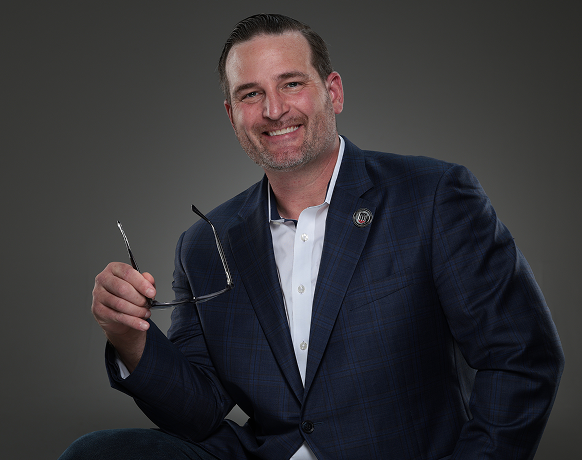
“It’s not about finding good franchises. It’s about finding the right fit for you. Clarity always comes from process, not pressure.”
That opportunity pulls in executives, veterans, and professionals in career transition who want financial freedom, time freedom, and a legacy for their family. Many of these entrepreneurs spent decades building someone else’s company, and now they want to own the upside as franchisees themselves. Our post on leaving corporate for franchising walks through the mindset shift in more depth.
Restaurant Franchise Opportunities: Benefits and Limitations
Investing in a restaurant franchise offers a structured path to business ownership with a recognizable name from day one. Owning one of these food brands hands you built in brand recognition that a startup restaurant spends years chasing. The category runs deep, and it moves a lot of money.
The restaurant and foodservice industry now spans more than one million outlets and, by the National Restaurant Association, heads toward $1.1 trillion in 2025 sales. Americans keep dining out, and fast casual formats keep expanding.
Restaurant franchise opportunities carry clear strengths:
- Instant brand recognition and a loyal customer base you inherit on opening day.
- Established supply chains that lock in quality ingredients and steady pricing.
- World class training on menu execution and service delivery.
- Comprehensive marketing support from the parent company that most independent restaurants cannot match.
- Flexible formats, from fast casual to full service, that suit different budgets.
- Banks often favor a known franchise brand, which can ease startup funding.
The limitations deserve equal weight in a YMYL decision like this one:
- High upfront costs and ongoing royalty fees pressure early margins.
- Restaurants demand strong management skills across staffing and operational efficiency.
- High employee turnover in hospitality often reaches around 75 percent, per 2025 restaurant staffing data.
- Operational guidelines usually limit menu and branding flexibility.
Watch Out
Food concepts can carry a wide initial investment range, often from $200,000 to $2 million once you add buildout, equipment, and franchise fees. Read the franchise disclosure document line by line before you fall for a great looking dining room.
Home Service Franchise Opportunities: Benefits and Limitations
A home services franchise sells something people need whether the economy runs hot or cold. Roofs leak, gutters clog, and homeowners keep spending on upkeep.
The home services industry keeps growing, and the International Franchise Association points to steady demand in its 2025 home services outlook. Homeowner spending on maintenance and upgrades runs into the hundreds of billions each year.
Home services franchise opportunities bring real advantages:
- Low startup costs and low investment entry points compared with most food concepts.
- Recurring demand from property owners for home repair, home maintenance, gutter cleaning, and junk removal.
- A smaller crew and no costly dining room to fill every night.
- Recession resilient demand in nondiscretionary categories, a pattern McKinsey traces in its home services market analysis.
- Ongoing training, local marketing, and a digital presence built by the franchise brand to fill your schedule.
The trade offs matter too:
- You depend on skilled technicians in a tight labor market.
- Seasonality can swing revenue for outdoor and residential maintenance services.
- Route density and local marketing decide whether growth comes easy or slow.
- Some brands ask owners to hold industry experience or a trade background.
Good to Know
Business-to-business service brands sit next to residential home services and often bring larger contracts and steadier commercial customers. Our guide to B2B service franchise ownership covers that adjacent path.
“There are options for everyone. But remember, there’s no such thing as a completely passive business ownership.”
Startup Costs, Financial Qualification, and Investment Range
Money decides a lot of this before lifestyle ever enters the room. The two categories sit at different points on the cost curve, so your capital shapes the field of franchise options open to you.
- Restaurant franchises usually sit at the higher end, with initial investment driven by real estate, buildout, and equipment.
- Many home services brands offer a lower cost to launch and can start from a truck and a small crew.
- Franchise fees form one slice of your total startup investment, not the whole bill.
- Financing options improve when a lender recognizes an established brand.
The cost of owning a restaurant franchise and the cost of owning a home services franchise sit far apart, so we weigh your comfort with each number before investing hours in tours. Aspiring entrepreneurs often assume the priciest brand carries the least risk, and that assumption trips up many first-time buyers.
We line up your liquid capital, net worth, and target investment range against the real numbers in each franchise disclosure document. Our breakdown of franchise operating costs and our franchise investment strategy guide give you the framework we use.
Financial Readiness Checklist
- ✓Confirm liquid capital of $50,000 or more, ideally $100,000 to $200,000.
- ✓Map net worth against each brand’s stated requirement.
- ✓Compare franchise fees, royalties, and total startup investment side by side.
- ✓Review financing options with a lender before you commit.
- ✓Talk with a financial advisor about your full picture.
How We Match You to the Right Fit
Most people start with the brand, the market, or the numbers. We start with you. That order matters more than a shiny logo ever will.
Our approach looks nothing like the typical lead generation model, where a consultant pushes whatever brand pays out fastest. As consultants, we build a customized business model around your skills, background, lifestyle goals, and risk appetite, then use it to filter the field down to a short list that actually fits.
Our seven-step consulting process runs like this:
- Get to know your background, transferable skills, and the life you want to build.
- Define your financial goals, investment range, and appetite for risk.
- Prescreen franchise brands against your customized profile.
- Introduce you to a short list of prescreened franchisors through the FranChoice network.
- Guide your due diligence on each franchise disclosure document.
- Connect you with attorneys, lenders, and CPAs for closing support.
- Stand beside you as you validate and make the final call.
See the full walkthrough on our how it works page, or read the guide to choosing a franchise for a candidate view of the same steps.
💡 Pro Tip
Before you compare any two brands, write down how many hours a week you truly want to work and how hands on you want to be. That single answer eliminates more mismatched restaurant and home service brands than any spreadsheet.
FDD Education and Due Diligence
Evaluating the franchise disclosure document ranks among the most important steps before investing in any franchise. This document holds the fees, the obligations, the litigation history, and the unit economics you need to weigh.
- Read every item, with extra care around fees, territory, and the financial performance section.
- Speak with current and former franchisees, not just the franchisor’s sales team.
- Have a franchise attorney review the agreement before you sign.
- Ask a financial advisor to pressure test your numbers.
Franchise agreements often run ten years or more, so treat the review as the serious commitment it is. Our FDD explained guide breaks down each section in plain language. We never offer legal or financial advice, and we always point you to licensed professionals before you commit.
Why Your Future Franchise
We built Your Future Franchise around a simple idea: proper fit beats a fast close every time. Our guidance carries the weight of Scott Thompson’s 25 plus years as both a franchisee and a franchisor, not a consultant who has never owned one.
- Direct experience on every side of the deal, from opening units to supporting franchisees.
- A faculty role at the University of Georgia that keeps teaching at the center of the work.
- The FranChoice network for direct, prescreened franchisor connections.
- A focus on matching and fit, never lead generation or a pushed deal.
- A no fee model, since franchisors pay us and candidates owe nothing.
- An extensive network of attorneys, lenders, and CPAs to carry you through closing.
- World class initial and ongoing training from established brands across many industries.
- A curated portfolio of 10 to 12 high performing franchise brands.
- National reach with real strength in the Atlanta, Georgia market.
Our placements include franchisees whose success reflects proper fit over hype. Owning the right business changes a family for a generation, and that is the standard we hold every match to, whether the future owner is one of the most seasoned entrepreneurs in the room or a first-time buyer stepping into business ownership.
Whether you lean toward a restaurant franchise or a home services franchise, we help you get there without the costly mismatch that trips up so many first-time owners. Read what candidates say on our reviews page, or learn more about our story.
No Cost to You
Talk Through Your Options With a Franchise Consultant
Book a no-pressure consultation and compare restaurant and home service brands against your goals, your budget, and the life you want for your family. Franchisors pay us, so the process costs you nothing.
Frequently Asked Questions
Is a restaurant franchise or a home services franchise more profitable?
Profitability depends on brand strength, unit economics, and how well you run the business, not on the category alone. Restaurant franchises often post higher revenue with thinner margins and heavier labor. Many home service brands run leaner with strong margins on recurring work. We help you compare real numbers from each franchise disclosure document rather than guess.
Which type of franchise costs less to start?
Home services franchises usually carry a lower cost to start, since many launch from a vehicle and a small crew instead of a full buildout. Restaurant concepts sit higher because of real estate, equipment, and buildout. Your liquid capital and net worth shape which franchises you qualify for, and we map both before you tour anything.
Are home services franchises recession resilient?
Many home service categories hold up well when budgets tighten, especially emergency and nondiscretionary work like repairs. Homeowners still fix what breaks. Discretionary upgrades can soften in a downturn, so demand varies by service type. We walk you through which categories tend to stay steady.
Can I run either franchise semi-passive?
Yes, once you hire and train the right general manager, though no business runs fully hands off. Both restaurant and home service brands can move toward a semi-passive model over time. The path there differs, since restaurants need constant staffing coverage while service brands lean on scheduling and dispatch. We factor your desired involvement into every match.
Do I need industry experience to own one of these franchises?
Most franchisors value transferable skills, leadership, and drive over direct industry experience. Comprehensive training and ongoing support fill the gaps in menu execution or trade knowledge. Some home service brands do prefer an operator with a trade background. We flag those requirements early so you never chase a poor fit.
What does a franchise consultant actually do?
A franchise consultant gets to know your goals, then filters franchise opportunities down to a short list that fits your skills, budget, and lifestyle. We also work closely with franchisors to understand their ideal candidate, so the match runs both ways. We prescreen brands, guide your due diligence, and connect you with attorneys and lenders. Franchisors pay us, so candidates pay nothing.
How long does the franchise selection process take?
Timelines vary by person, capital, and how ready you feel, though many candidates move from first call to a signed agreement over several weeks to a few months. Rushing rarely serves you well in a YMYL decision like this. Our timeline of buying a franchise lays out each stage. We keep the pace comfortable and the facts in front of you.
Should I consult a lawyer before signing a franchise agreement?
Yes, always have a franchise attorney review the agreement and the franchise disclosure document before you commit. Pair that with a financial advisor who can pressure test your numbers. We never provide legal or financial advice ourselves. We do connect you with prescreened professionals from our network so you close with confidence.
Does Your Future Franchise work with candidates outside Atlanta?
Yes, we serve candidates nationwide, with particular strength in the Atlanta, Georgia market. Our matching process and the FranChoice network reach franchise brands across the country. You get the same prescreening and support wherever you live. Our Atlanta franchise consultant page shares a little more on our home base.
Whether you land on a restaurant franchise or a home services franchise, the right fit starts with a plan built around you, and that is exactly where we come in.